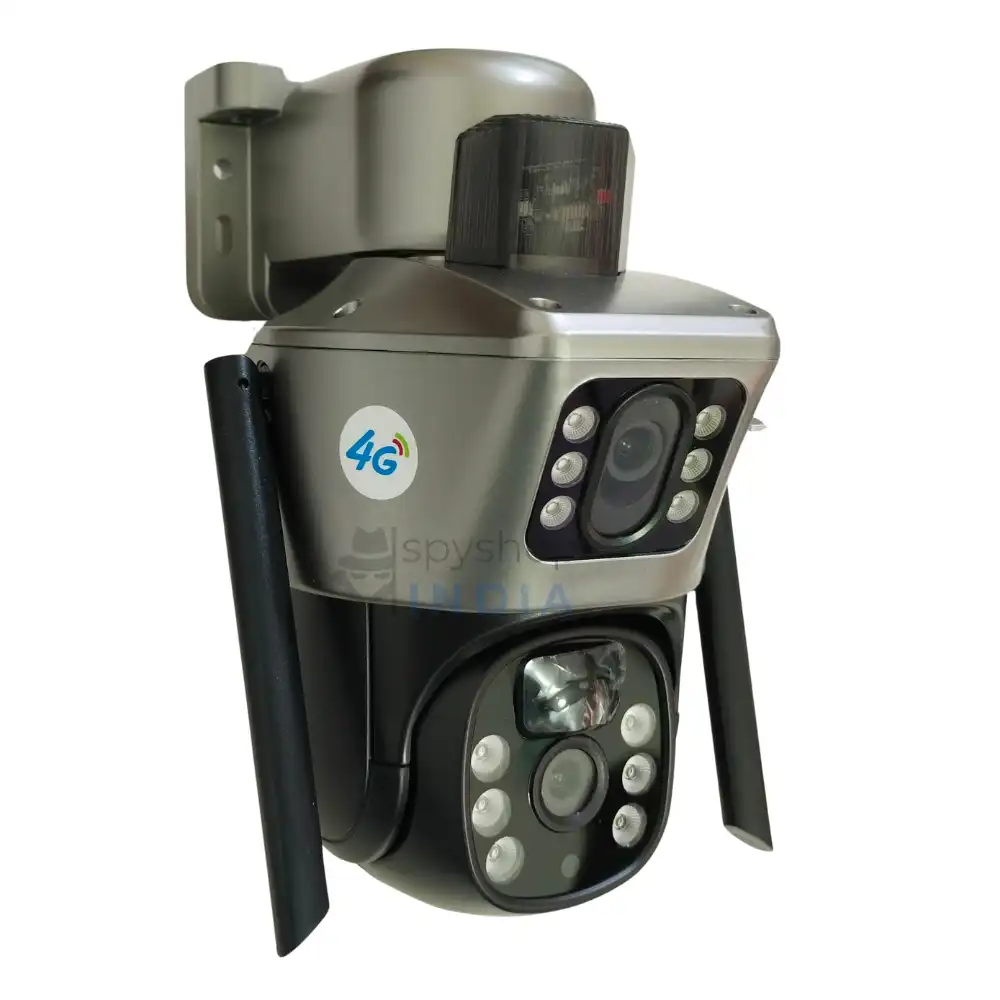
In today’s digital world, security has become more important than ever. Whether it’s your home, office, shop, or vehicle, having a reliable surveillance device ensures safety and peace of mind. These devices help monitor activities, prevent unwanted incidents, and provide valuable evidence when needed.
With advancements in technology, surveillance systems have become smarter, more affordable, and easy to use. In this guide, you’ll learn everything about surveillance device, including their types, features, benefits, and how to choose the best one.
What is a Surveillance Device?
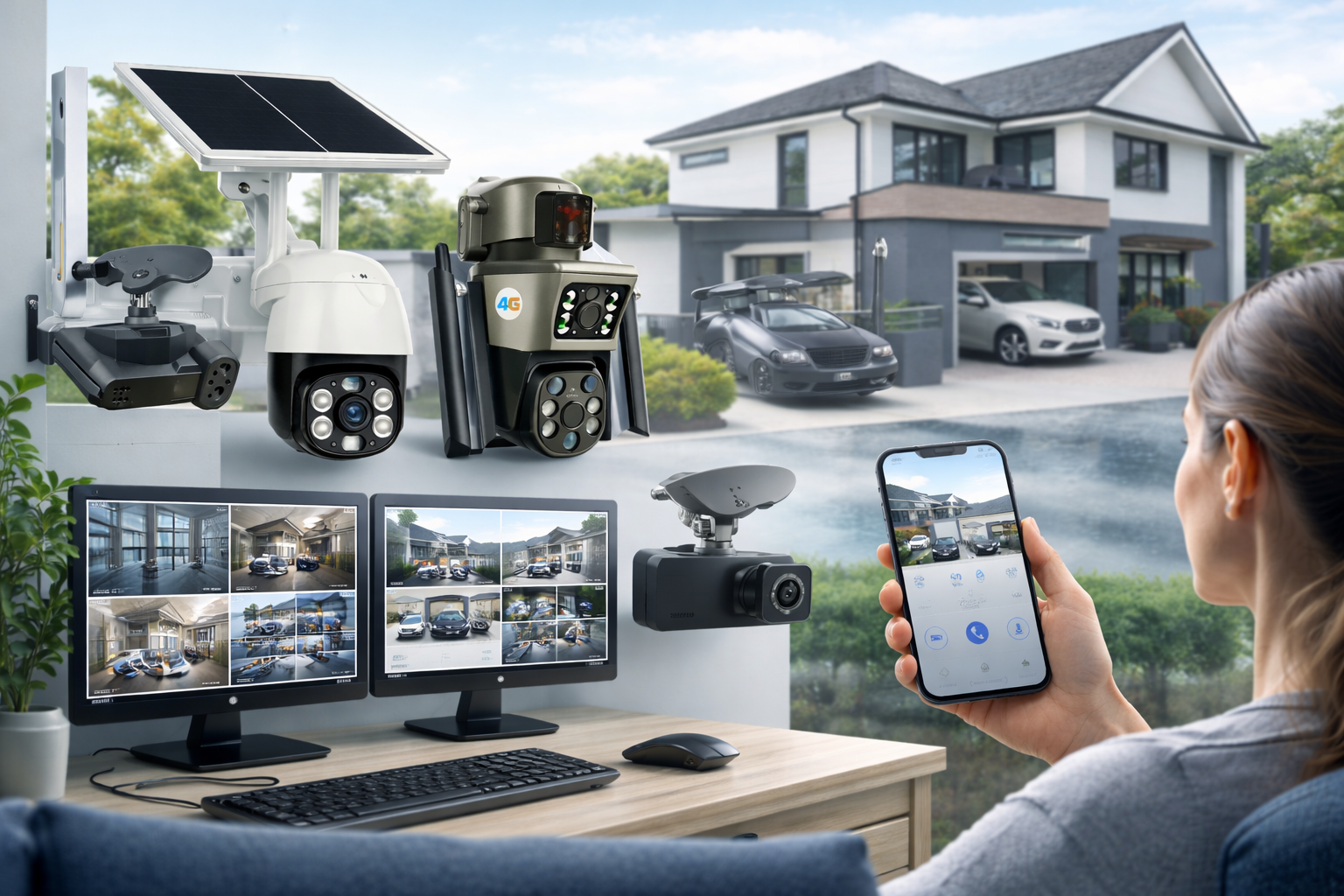
A surveillance device is an electronic system designed to observe, record, and monitor activities in a particular area. It is widely used for security, safety, and monitoring purposes.
Common examples include:
-
CCTV cameras
-
Wireless security cameras
-
Dash cameras
-
Body-worn cameras
These devices can record video footage and, in many cases, allow live monitoring through smartphones or computers.
Types of Surveillance Devices
1. CCTV Cameras
CCTV cameras are among the most widely used surveillance systems for both residential and commercial spaces.
Key Features:
-
Continuous monitoring
-
High-definition video recording
-
Night vision support
2. Wireless Security Cameras
Wireless cameras connect through WiFi, making them easy to install and manage.
Advantages:
-
No complex wiring
-
Access from anywhere
-
Cloud storage options
3. Compact Monitoring Cameras
These are small-sized cameras designed for flexible placement in different environments.
Use Cases:
-
Home monitoring
-
Office safety
-
Asset protection
4. Dash Cameras
Dash cameras are installed in vehicles to record road activity and driving behavior.
Benefits:
-
Accident recording
-
Insurance support
-
Safety monitoring
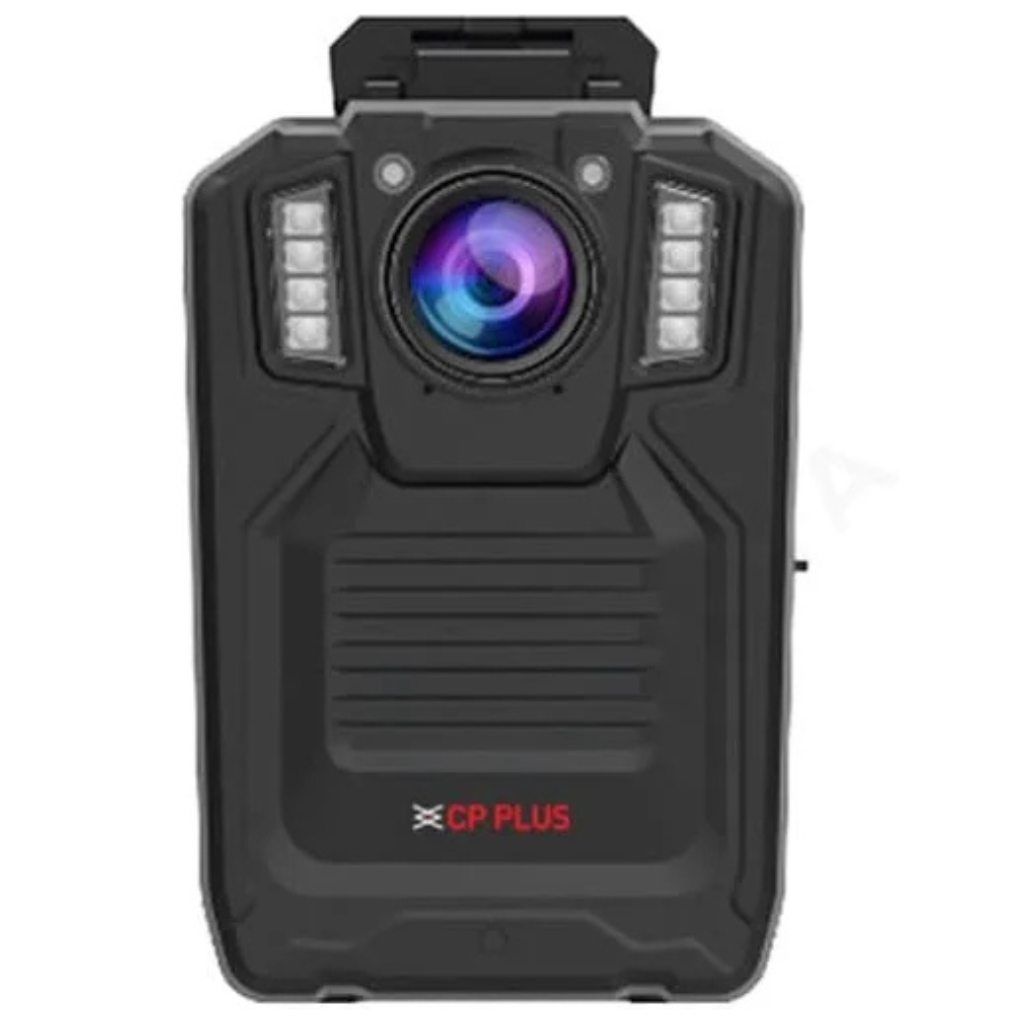
5. Body-Worn Cameras
These cameras are worn by individuals, especially security staff and law enforcement.
Advantages:
-
Real-time recording
-
Increased transparency
-
Reliable evidence
Key Features of Surveillance Devices
When selecting a surveillance system, consider these important features:
-
High Resolution (HD/4K): Clear and sharp video quality
-
Night Vision: Effective monitoring in low light
-
Motion Detection: Alerts for unusual activity
-
Cloud Storage: Secure data backup
-
Remote Access: View footage from anywhere
-
Two-Way Audio: Communicate through the device
Benefits of Using Surveillance Devices
1. Enhanced Security
Surveillance devices help prevent theft, vandalism, and unauthorized access.
2. Real-Time Monitoring
You can keep an eye on your property anytime using mobile apps.
3. Evidence Collection
Recorded footage can be useful in legal or insurance cases.
4. Workplace Monitoring
Businesses can improve productivity and ensure safety.
5. Peace of Mind
Knowing your surroundings are monitored reduces stress and worry.
To learn more, check our detailed guide on surveillance devices and security systems.
How to Choose the Right Surveillance Device
Selecting the right device depends on your requirements.
Important Factors:
-
Purpose: Home, office, or vehicle
-
Budget: Entry-level or advanced system
-
Installation: Wired or wireless
-
Storage: Local or cloud-based
-
Coverage Area: Indoor or outdoor
Common Applications of Surveillance Devices
-
Home security systems
-
Office and workplace monitoring
-
Retail store safety
-
Traffic and vehicle monitoring
-
Industrial security
Future Trends in Surveillance Technology
The future of surveillance devices is evolving with innovations such as:
-
Artificial Intelligence (AI)
-
Smart detection systems
-
Facial recognition
-
Cloud-based monitoring
These technologies are making surveillance systems more intelligent and efficient.
Conclusion
A surveillance device is an essential part of modern security. Whether you want to protect your home, monitor your workplace, or ensure safe driving, there are multiple solutions available to meet your needs.
By choosing the right system, you can enhance safety, monitor activities effectively, and gain complete peace of mind.
FAQs
1. What is a surveillance device used for?
It is used to monitor, record, and ensure safety in a specific area.
2. Are surveillance cameras allowed in India?
Yes, they are allowed for personal and business use, provided they do not violate privacy laws.
3. Which is better: wired or wireless cameras?
Wireless cameras are easy to install, while wired cameras offer stable performance.
4. Can I access my camera remotely?
Yes, most modern devices allow remote access via mobile apps.
5. How much storage is required?
Storage depends on video quality and recording duration; cloud and SD card options are common.
6. Do cameras work without internet?
Yes, they can record locally, but internet is needed for remote viewing.
7. Which surveillance device is best for home?
Wireless cameras with motion detection and night vision are ideal for home use.